- News
- entertainment
- hindi
- bollywood
- Biff, bang at the box office
Trending
This story is from November 23, 2007
Biff, bang at the box office
Violent films are enjoying huge popularity down south. BT finds out what their lure is.

doweshowbellyad=0;  A still from Polladhavan. (TOI Photo)The Diwali release in the south that’s drawing the crowds is Polladhavan with its extreme violence. Clearly, even as audiences flock to the experimental Chak De! India and appreciate the quiet pace of family dramas like The Namesake, maar-peet still finds many takers. BT finds out why.
“We’re all voyeurs of violence,” says Polladhavan director Vetri Maran. “There’s a fascination attached to it that other genres like romance and comedy don’t command. So even though we may deny it, we do like watching gore. Why else would so many people download Daniel Pearl’s throat-slitting video clip or repeatedly watch Saddam Hussein’s hanging on Youtube?” he asks.
He believes audiences identify with violence in films because it’s a reflection of real life. “There are so many cold-blooded murders happening on our streets; even my story is based on real-life incidents, but I haven’t portrayed even half of what those characters went through in reality,” says Vetri.
Suri, who directed the violent Kannada hit Duniya, agrees. “Even though people find romance and thrillers entertaining, there’s a greater inclination towards watching violent films. In fact, 75 per cent of the audience is fascinated by this genre,” he says. Suri adds that since most youngsters fantasise about becoming the gulli hero or local don, “It’s exciting for them to watch an underdog rise to that position of glory on screen; they feel like it’s a personal victory.”
So how much blood and gore is too much? Dhanush, who plays the boy next door who takes to violence in Polladhavan, says violence in itself isn’t offensive. “But when it’s gouging someone’s eyes out like they did in Hostel, or actually showing someone’s head being smashed, that’s off-putting.” Which is why in Polladhavan, even though there’s a scene in which a don is beheaded, “we only showed the blood splattering and left the rest to the imagination of the audience,” says Dhanush. “Filmmakers have to be careful when they feature violence because they shouldn’t end up glorifying the hero or justifying his acts. All gory scenes should be symbolic,” says Suri.
Uppi adds that all the rowdies in Om were shown to have reformed in the climax. “Directors should always know where to draw the line and be responsible in their portrayal of violence,” he says.
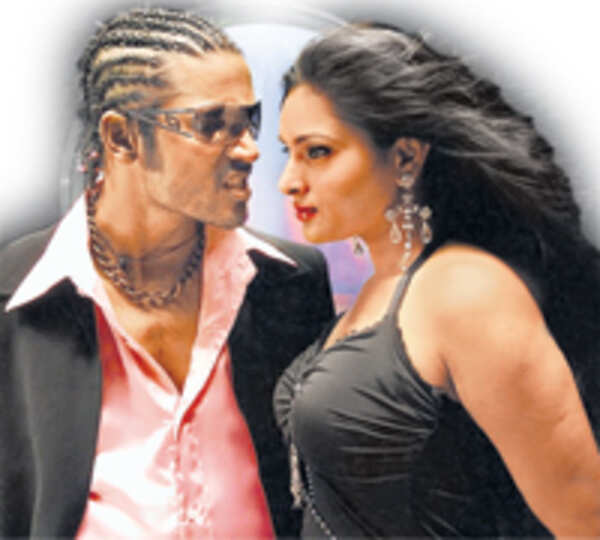
“We’re all voyeurs of violence,” says Polladhavan director Vetri Maran.
He believes audiences identify with violence in films because it’s a reflection of real life. “There are so many cold-blooded murders happening on our streets; even my story is based on real-life incidents, but I haven’t portrayed even half of what those characters went through in reality,” says Vetri.
Suri, who directed the violent Kannada hit Duniya, agrees. “Even though people find romance and thrillers entertaining, there’s a greater inclination towards watching violent films. In fact, 75 per cent of the audience is fascinated by this genre,” he says. Suri adds that since most youngsters fantasise about becoming the gulli hero or local don, “It’s exciting for them to watch an underdog rise to that position of glory on screen; they feel like it’s a personal victory.”
Says actor-director Upendra, “When I made Om, a film about rowdyism, it became an instant hit. I directed it 10 years ago and people still ask me to make another flick like that.” He adds that all the guys in the film were real-life goondas. “And during the fight scenes, there would be total silence in the theatres because the action was so rivetting,” says Upendra.
So how much blood and gore is too much? Dhanush, who plays the boy next door who takes to violence in Polladhavan, says violence in itself isn’t offensive. “But when it’s gouging someone’s eyes out like they did in Hostel, or actually showing someone’s head being smashed, that’s off-putting.” Which is why in Polladhavan, even though there’s a scene in which a don is beheaded, “we only showed the blood splattering and left the rest to the imagination of the audience,” says Dhanush. “Filmmakers have to be careful when they feature violence because they shouldn’t end up glorifying the hero or justifying his acts. All gory scenes should be symbolic,” says Suri.
Uppi adds that all the rowdies in Om were shown to have reformed in the climax. “Directors should always know where to draw the line and be responsible in their portrayal of violence,” he says.
End of Article
FOLLOW US ON SOCIAL MEDIA
Visual Stories








entertainment videos
Featured In Movies
Popular Categories
Entertainment NewsBollywood NewsTollywood NewsKollywood NewsMollywood NewsMovie ReviewsLatest Hindi MoviesLatest Tamil MoviesMX PlayerParenting TipsHome RemediesWeight LossBeauty TipsParenting TipsHindi VideosHindi Video SongsBhojpuri Music VideosLatest Telugu MoviesBhojpuri Music VideoHindi TV News
Trending in Entertainment
Latest MoviesBollywood MoviesHollywood MoviesTamil Movies 2024Telugu Movies 2024Malayalam Movies 2024Kannada Movies 2024Marathi Movies 2024Bengali Movies 2024Top Rated Movies 2024Best Hindi MoviesBest English MoviesBest Telugu MoviesBest Tamil MoviesBest Malayalam MoviesBest Kannada MoviesBest Bengali MoviesUpcoming Hindi MoviesBest Movies Of All TimeBest Hindi Movies of All Time
Trending in Etimes
Horoscope TodayNumerology Predictions TodayProject 2025Taylor SwiftUS Presidential Debate Key TakeawaysSpringfield Eating PetsMelania TrumpJoe WilsonVice Presidential DebateMeghan MarkleKamala HarrisDonald TrumpPatriot Day 2024Diabetes RiskAbrosexualityTrump Vs HarrisJoe JonasNina DobrevThe Apprentice Movie
Trending in TV
Trending in Lifestyle
Trending in Regional
Movie Reviews
Visfot ReviewThalapathy Is The G.O.A.T ReviewRebel Ridge ReviewDetective Conan vs. Kid the Phantom Thief ReviewBeetlejuice Beetlejuice ReviewPad Gaye Pange ReviewA Wedding Story ReviewThe Diary Of West Bengal ReviewTikdam ReviewKinds Of Kindness ReviewAfraid ReviewThe Deliverance ReviewBlue Lock: Episode Nagi ReviewDaddio Review
Upcoming Hindi Movies
Upcoming Regional Movies
Latest News
Manju Warrier expresses gratitude for birthday wishes: "Forever humbled and grateful"Haryana HPSC PGT admit card 2024 out at hpsc.gov.in: Direct link to download hall ticket here6,0,6,6,6 - Smashing Kieron Pollard rolls back the clock in Caribbean Premier League - WatchRelief for Amul in trademark war against Italian brandAfghanistan vs New Zealand: Why is Greater Noida stadium hosting a Test match?Shilpa Shetty and Raj Kundra spotted at the Siddhivinayak Temple; video insideDonald Trump and Kamala Harris shake hands as they meet for first time on debate stage: Watch the 'awkward' momentPrince William’s commitment to a lasting marriage with KateWhen Jaya Bachchan revealed she had a huge crush on Dharmendra, called him a 'Greek God' in front of Hema MaliniJr NTR starrer 'Devara: Part 1' completes censorship formalities; receives UA certificateGeorgia school shooting: Suspect's mom's call wasn't the only alert, multiple warnings overlooked before Apalachee high attack'Trump should not be telling a woman what to do with her body', says Kamala Harris on abortion rights during US presidential debateArbaaz Khan spotted outside Malaika Arora's house along with police after the tragic news of her father's demise by alleged suicide - WATCH VIDEOShivaji statue collapse: Sculptor’s custody extended till September 13Vijay Sethupathi and Trisha starrer '96' to have a sequel, reveals Prem Kumar7 Common veggies that are loaded with iron and essential nutrientsAir India Express and Scoot launch exciting flight sale for domestic and international travelBengaluru techie pockets 1k cryptocurrencies of his company, lands in police net
Other Group Sites -
ETimes is an Entertainment, TV & Lifestyle industrys promotional website and carries advertorials and native advertising.